Interview with Irene Pepiciello (Viva Agenzia)
Author: Federica Malinverno
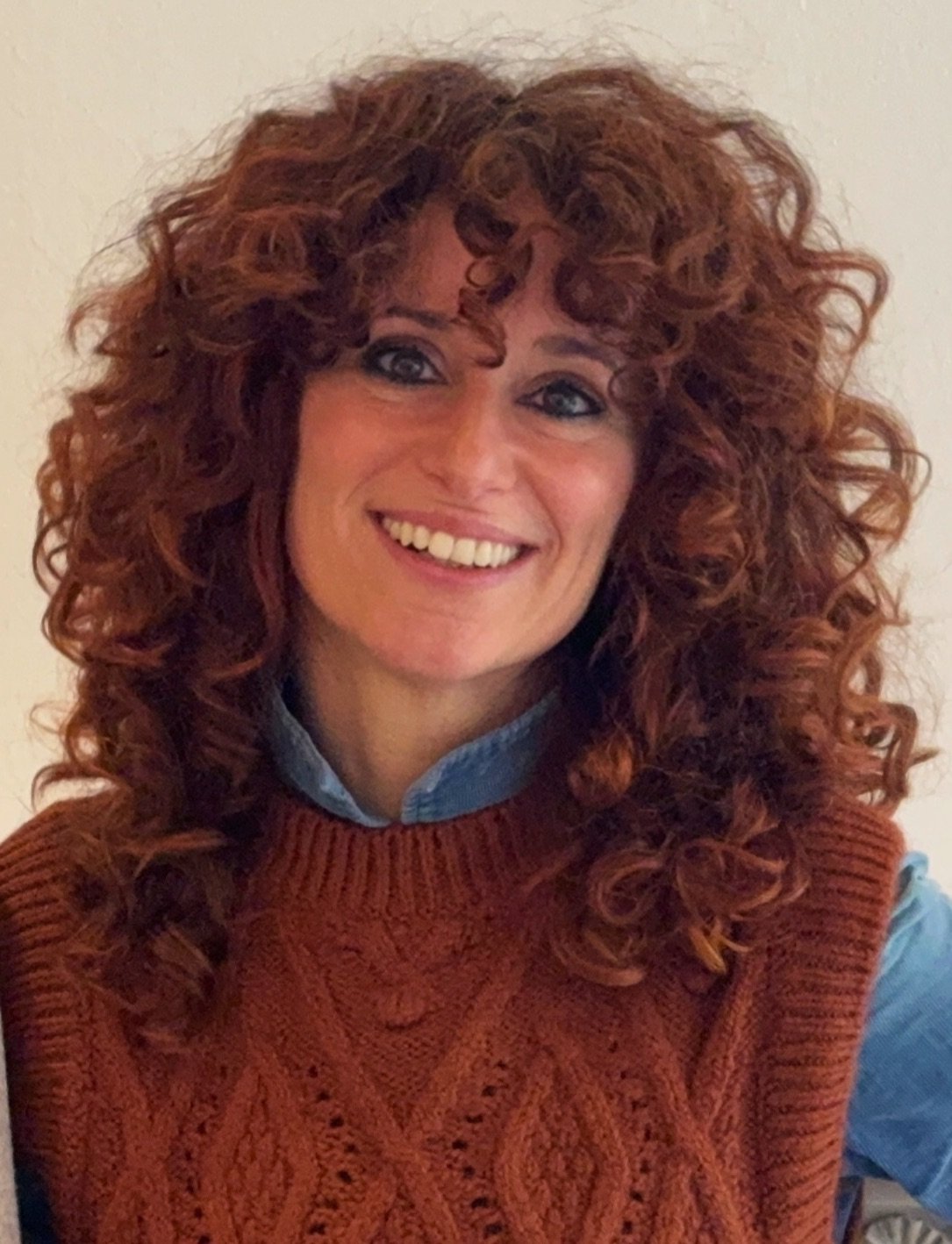
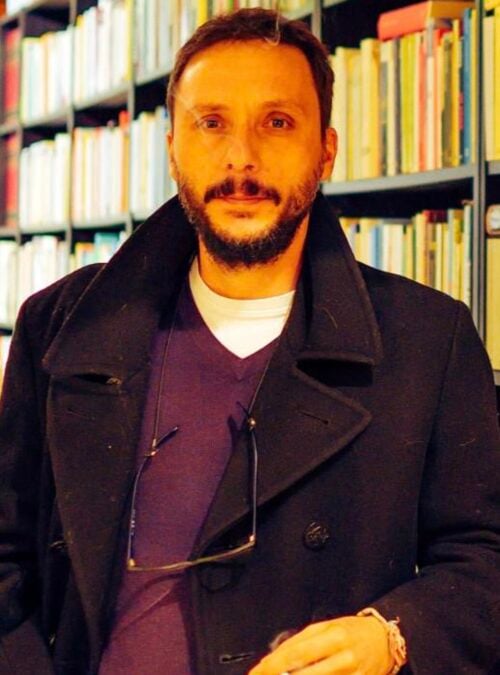
Irene Pepiciello was born in Rome. After earning a degree in languages and gaining experience studying and working abroad, she spent two decades working as a rights agent and translator for a range of publishing houses. She became an agent in 2017, and in early 2025 co-founded Viva Agenzia Letteraria with Chiara Melloni.
How did you decide to found Viva Agenzia Letteraria?
The time had come when we wanted not only operational autonomy, but also decision-making autonomy. Chiara and I have more than twenty years of experience in the sector, and we were ready to stand on our own two feet. Over many years of work, we have developed tastes, inclinations and preferences in various areas.
How is the agency structured?
Chiara and I run the agency, and we rely on a trusted and valuable network of sub-agents to handle the translation rights of our books abroad, a number of readers to evaluate manuscripts, and an audiovisual consultant, since, in addition to managing the translation rights of our authors’ books, we also handle audiovisual rights. Chiara and I supervise everything and are in direct contact because we like to discuss managerial, financial and project-related decisions. This is also necessary because we have two different personalities, although we have very similar tastes, and discussing things is always enriching. We are founding partners, so we both keep an eye on everything.
You mentioned tastes, inclinations, preferences… How do these translate into the catalogue and author choices?
We are open to all genres. The authors we represent include very diverse personalities, and the offering is very rich. What holds everything together is the necessity of working on projects we believe in: there is no title or author that does not convince us. Among other things, it is precisely the possibility of starting something new that has allowed us to make this kind of choice. They range from essayists to novelists to graphic novel authors, with no common thread connecting them other than our taste. Indeed, it is essential for us to focus on quality and promote it, and we hope that this will translate into sales, prestige and recognition for the authors. Another important condition for us is that the relationship with the authors is one of total trust, on both sides: we must be able to connect with the authors in a clear and peaceful manner.
Do you think there is a limit to the number of authors or projects that a structure of your size can follow?
It would be premature to set a limit. Being in the early stages, we were able to reset the machine, organise the first fairs, find consultants, get the wheels turning… in our own way. There is always room for good authors.
Who are the first authors and projects you have sold abroad as Viva Agenzia?
Our first sale as Viva Agenzia Letteraria was a backlist title. When it was first published, it did not attract much interest, but then, after a few months, it was sold, confirming that contemporary relevance is not always a prerequisite for sales: some titles can still be successful months or even years after their first publication in Italy. Letizia Pezzali’s new novel, Un animale innocente (Einaudi Stile Libero, 2025), has also attracted a great deal of interest: the translation rights have been sold in some territories and we are receiving positive feedback for a possible audiovisual adaptation, because it is a book with a very international flavour.
Is it so difficult for an Italian text to be translated into English? When this happens, does the translation open doors?
Yes, it is difficult to obtain and yes, when it happens, it opens doors. Of course, there is a limit: Anglo-Saxon publishers often wait for the book to achieve sales, awards… In short, there must be a very solid basis to generate interest. The sale of English-language rights is something you can generally aspire to after you have laid a solid foundation in Europe.
What do translators mean to you?
Translators are an irreplaceable resource for us. They are often the first to be informed about calls for proposals and funding, and they also act a bit like promoters, scouts. Their work involves various tasks and they often sponsor the books they want to translate. Of course, now there is the issue of artificial intelligence, but there is a whole grey area that readers are unaware of and we professionals understand a little better. In my opinion, it is not possible to replicate with a machine the ideas and insights that a human being can have when relating to a novel, nor to reproduce the connections that a translator can establish with a foreign editor who might love that work. So long live translators and long live the work they do!
- SHARE ON:
-

-

-

-