
Museo contemporaneo
by Pinna, Giovanni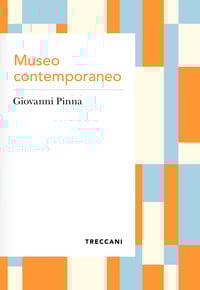
The evolution of museums, from eighteenth-century ones celebrating power and preserving historical, artistic, and archaeological heritage, to nineteenth-century ones (such as the British Museum and the Louvre), created to educate the public and celebrate progress, reflects social and political changes over time. In subsequent centuries, American museums, such as the Metropolitan Museum, distinguished themselves for their naturalistic and historical missions, while postwar museums, such as the Centre Pompidou, reflected the influence of mass culture. Contemporary creations by “starchitects,” such as the Guggenheim in Bilbao, attract visitors with their unusual forms. However, this evolution has led to the emergence of “museums of themselves,” which prioritize self-referentiality and tourist attraction over the transmission of culture and memory.
- Publishing house Treccani
- Year of publication 2025
- Number of pages 120
- ISBN 9788812012398
- Foreign Rights Irene Pepiciello rights@treccani.it
- Ebook Available
- Price 12.00
Pinna, Giovanni
Giovanni Pinna is a professor of paleontology and museologist. He currently studies the sociology of museums, their intellectual organization and mechanisms of cultural production, and the relationship between museums, society, and power. He directed the Natural History Museum of Milan from 1964 to 1996, and the Milan Planetarium from 1980 to 1996. In 1980, with Lanfranco Binni, he published Museo. Storia di una macchina culturale dal Cinquecento ad oggi (Garzanti).
- SHARE ON:
-

-

-

-

