
Sirene
par Pugno, Laura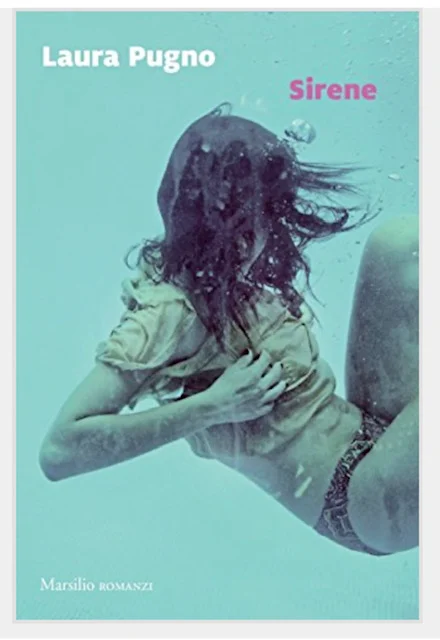
Sirene
Samuel, sorvegliante di una vasca dove vengono allevate e nutrite le sirene destinate alla produzione della «carne di mare», si lascia tentare dal più pericoloso dei piaceri. Si unisce a una sirena femmina, sfuggendo a stento alla reazione istintiva di lei: divorare il maschio dopo il rapporto, come fanno le mantidi. Da quell’unione nasce Mia – mezzo sirena e mezzo umana – e da lei avrà, forse, origine una nuova specie cosciente. Se a essere importante non è la vita di un singolo e nemmeno la vita di una specie, ma la vita dell’intelligenza, «il passaggio di testimone a un’altra specie a cui affidare la gestione del mondo», come scrisse Tiziano Scarpa alla prima pubblicazione di questo romanzo, nel 2007, «è una via d’uscita dall’umano, dalle impasse della sua civiltà, ma anche una sua realizzazione superiore, un superamento, un autoannullamento e una paradossale salvezza».
Un romanzo spaventoso e indimenticabile, scritto – come ha affermato Angelo Guglielmi – «in un linguaggio secco, lucido e fermo e insieme percorso da una strana vibrazione di natura segreta e inudibile».
«In Sirene Laura Pugno racconta la fine del mondo degli umani, costretti a vivere al buio e in città subacquee – perché la luce è diventata nemica, provoca il «cancro nero» –, dominati dalle mafie internazionali, sfiniti dal consumo di ogni risorsa planetaria.» Andrea Cortellessa, « Tuttolibri »
Laura Pugno, poeta, narratrice e saggista. Tra gli ultimi libri, i romanzi Noi senza mondo, La metà di bosco, La ragazza selvaggia – Premio Campiello Letterati – e Sirene (Marsilio); i saggi Oracolo manuale per poete e poeti, con Giulio Mozzi (Sonzogno), In territorio selvaggio (Nottetempo) e L’oltre. Poesia, Terzo paesaggio, Terza natura? (Il Saggiatore); le raccolte di poesia I nomi (La Nave di Teseo, Premi Laudomia Bonanni, CeSPOLA, Marineo e Forum Traiani) e Noi (Amos, Premio Franco Fortini); la fiaba Melusina, illustrata da Elisa Seizinger (Hacca). Collabora con « Il Venerdì » di « Repubblica » e « TuttoLibri’ de « La Stampa ». Ha curato la Mappa immaginaria della poesia italiana contemporanea (Il Saggiatore) e il programma Oltrelontano. Poesia come paesaggio per Radio 3. Scrive per il teatro, il cinema e la radio e fa parte del comitato scientifico del Premio Strega Poesia. Ha diretto l’Istituto Italiano di Cultura di Madrid.
Mermaids
An engrossing, sensual, apocalyptic ‘literary manga’
In a future world, a human race under threat of extinction discovers the existence of the sirens, ferocious and beautiful women of the sea.
In the near future, the city of Underwater – bordered by the uninhabited Territories of New Baja California, in what used to be known as the Pacific Rim – is dominated by corporations ran by the Japanese Yakuza. A skin cancer epidemic – known only as « black cancer » – is decimating the population, as it spreads through mysterious means of contagion. Twenty years earlier, a previously unknown species had been discovered: mermaids, related to dugongs, with women’s bodies and fish tails. Mermaid meat is exquisite, and although they are officially protected and near-extinct, the Yakuza operate mermaid farms and slaughterhouses in their marine reserves. They also run a secret network of brothels where mermaids are used for sexual sport. Samuel works at a mermaid butchering plant in a Yakuza marine reserve off the coast of Underwater. Being Phototype 1, with his blonde hair shaved-off after the death of his partner Sadako – the illegitimate daughter of a powerful Yakuza – Samuel faces a high risk to develop black cancer, but refuses any kind of protection. He is no longer interested in life. After the death of his father – a hitman who slaughtered his own family in a fit of madness – Samuel was raised by the Yakuza. Trained to become an operative, he has been mysteriously stripped of his ranks after his first mission, in which he had been ordered to infiltrate the Underwater cell of the Mermaid Liberation Front, a mystical-environmentalist movement that sees mermaids as a sister species. Acting on sudden impulse, Samuel enters the mermaids’ tank during the breeding and forces himself on a « half-albino » specimen – its name derived from its silvery color. The half-albino becomes pregnant with a human-mermaid hybrid – perfectly identical to her mother save for the phonation apparatus: a potential talking mermaid. Shortly after giving birth, the mother is led to the slaughterhouse. While black cancer continues to rage, Samuel – helped by his old friend Hassan, a « lone wolf » with business ties to the Yakuza – decides to try and save the hybrid, which he named Mia. He hides Mia in the swimming pool of Hassan’s abandoned villa, just outside of Underwater, and tries to teach her how to talk. Mia looks like every other mermaid, and for a while the plan seems to work, but another slaughterhouse worker – young, ambitious Ken’nosuke – has spied on Samuel and alerted the Yakuza leadership. In the meantime, to avoid raising suspicions, Samuel keeps working his shifts at the plant and undergoing the regular dermatological tests through which the Yakuza makes sure none of their employees are sick. Soon, however, a crisis erupts. Hassan is executed, and Samuel, after testing positive for black cancer, is held captive on the farm. Ken’nosuke frees him, allowing him to rush to the villa to rescue Mia, but once there Samuel finds her agonizing: seeking food, she has hoisted herself out of the swimming pool. Samuel manages to revive her in a jacuzzi; where, shortly after, mad with lust, he rapes her as well. Captured by Ken’nosuke, Samuel and Mia are led back to the farm, where the Yakuza want to experiment with breeding human-mermaid hybrids and teaching them how to talk; they plan to use Samuel and Mia as test subjects. But Mia doesn’t seem to respond, not even when Samuel is tortured in front of her. Close to death, Samuel successfully begs Ken’nosuke to lower him in the tanks with Mia for a last attempt at getting the half-human to talk before she is set to be butchered. Once in the water, Samuel activates the tank’s old submerged control panel and frees Mia into the ocean, drowning himself.
«In Sirene, Laura Pugno recounts the end of the human world, forced to live in darkness and underwater cities – because light has become the enemy, causing “black cancer” – dominated by international mafias and exhausted by the consumption of every planetary resource.» Andrea Cortellessa, Tuttolibri
Laura Pugno (Rome, 1970) is an Italian poet, novelist, essayist, playwright and translator. Her publications include several poetry collections and essays, one short story collection and six novels, among them Sirene (Einaudi 2007, Marsilio 2017, Premio Libro del Mare, Premio Dedalus), recently translated into French by Inculte/Actes Sud, and La ragazza selvaggia, Marsilio 2016, who won the prestigious Premio Campiello Selezione Letterati. From 2015 to 2020 she was the Director of the Italian Cultural Institute and of the Italian Film Festival in Madrid. She is currently living in Rome, where she works as a cultural expert for the Italian Ministry of Foreign Affairs.
-
Casa editrice PublisherMarsilio
-
Anno di pubblicazione Year of publication2017
-
Numero di pagine Number of pages144
-
ISBN9788831728430
-
Prezzo Price14€
-
Responsabile dei diritti
Copyright Manager
Grandi & Associati Agenzia Letteraria luisa.rovetta@grandieassociati.it
-
Diritti venduti
Rights sold
Rights sold:
France (éditions Inculte)
-

Text sample
Voir le PDF
- SHARE ON:
-

-

-

-

