Paris: Viceversa, a new space for Franco-Italian cultural dialogue. Interview with Manuela Corigliano
Author: Paolo Grossi
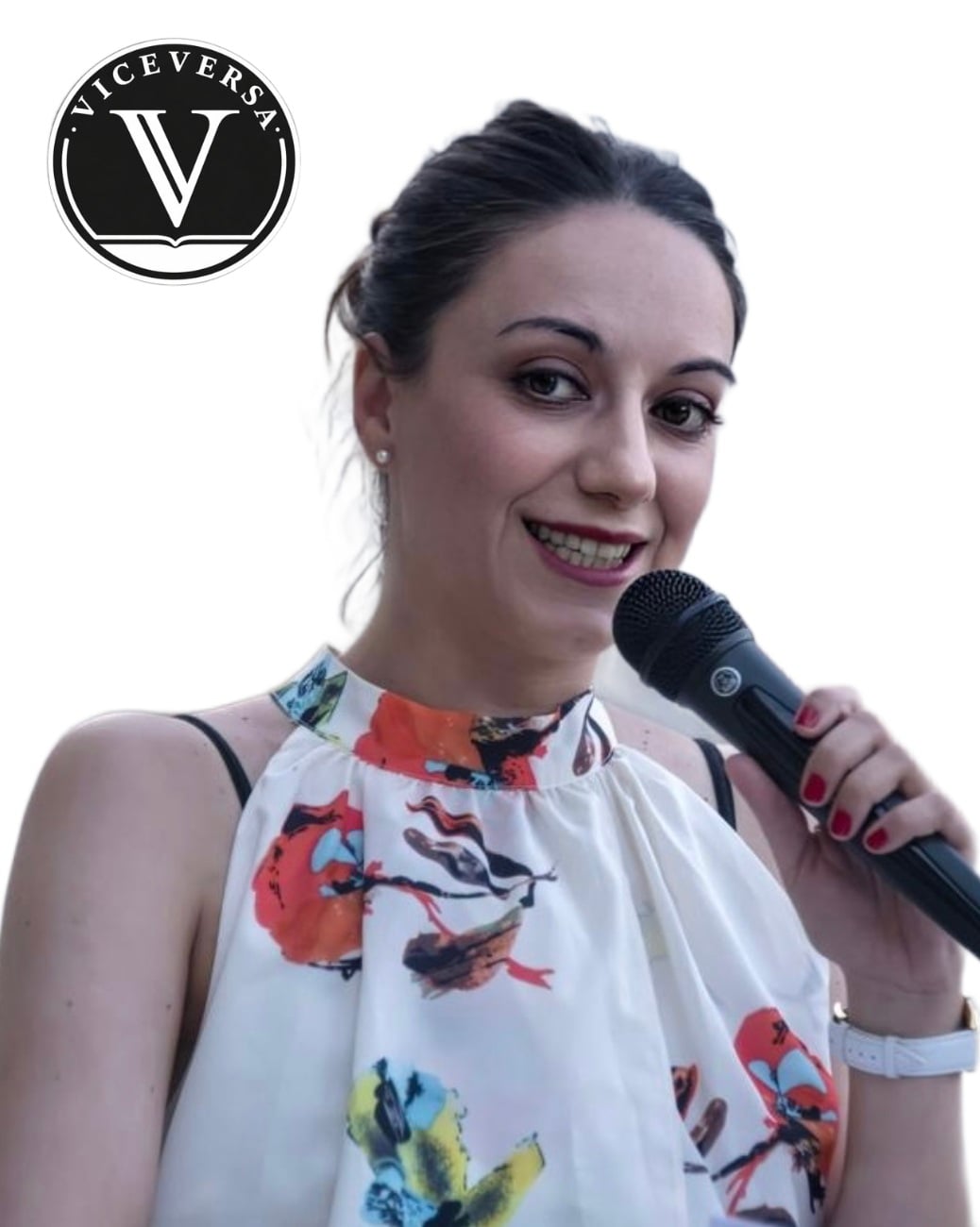
Viceversa was launched in Paris a few months ago. We talk about it with Manuela Corigliano, founder and director of this new space for Franco-Italian cultural dialogue.
What led you to set up Viceversa?
Viceversa stems from the intersection of my personal and professional journeys. I am Italian, I have lived in Paris for twenty years and I work in the fields of cultural mediation, literary programming and translation. Over time, I felt the desire to bring together in a single project the themes and areas that run through my life and my work: a contemporary, vibrant, cross-cutting Franco-Italian cultural dialogue, capable of truly connecting authors, publishers, translators, readers, places and ideas. After many years of significant professional experience, I felt the desire to put the skills, relationships and perspective I have developed in my areas of specialisation at the service of a structured cultural project, capable of fostering new connections and new forms of dialogue between the two countries.
Viceversa takes shape through a programme of literary meetings and events open to the public, roundtable discussions, conferences and collaborations with bookshops, publishing houses, institutions and cultural venues, but also through more cross-cutting and convivial formats — literary walks and dinners, themed itineraries and bespoke projects — designed for the public as well as for cultural partners, institutions and businesses, with the aim of creating new ways of meeting and sharing around books and French and Italian cultures.
I wanted to imagine a space that would also reflect the most vibrant and contemporary aspects of the cultural dialogue between France and Italy: creation, translation, linguistic and social transformations, the circulation of works and ideas, without losing sight of the link with the literary and cultural heritage that continues to nourish this dialogue.
Viceversa stems precisely from this ambition: to create a space for circulation, exchange and discovery, enabling bridges to be built between the French and Italian cultural scenes.
The very name of the project reflects this desire for reciprocity: not a one-way dialogue, but a continuous exchange of views, influences and perspectives.
How does Viceversa fit into a Parisian landscape already rich in Italian institutions, associations and bookshops? What are its ambitions?
Paris already boasts a very rich and dynamic Italian cultural presence, and this is precisely one of the aspects that makes the city so fertile. Viceversa was therefore not created to replace what already exists, but rather to slot into this ecosystem by offering a complementary approach.
The project stands out first and foremost for its cross-cutting and independent nature. Viceversa is not tied to a single institution or discipline, but is built through dialogue between literature, publishing, translation, contemporary thought and cultural practices. A central aspect of the project is also the desire to create collaborations and synergies with existing cultural organisations, both French and Italian, fostering connections between different venues, audiences and stakeholders. Viceversa was conceived from the outset as a mobile and widespread project, capable of developing in spaces that differ in nature and location, in Paris and beyond, with the aim of building a widespread and open cultural presence.
Another important aspect of Viceversa is the desire to encourage the circulation of works, ideas and initiatives between France and Italy, creating opportunities for encounter and exchange around literature, translation and contemporary cultural practices. I am particularly interested in exploring the ways in which texts and authors traverse different languages and contexts, but also in examining how literature engages with contemporary social and cultural transformations.
Viceversa’s ambition is to gradually become a key reference point for those interested in French and Italian cultures, with a constant focus on the curatorial quality of the events and content offered.
What are the first initiatives planned?
In its first few months of operation, Viceversa has already launched several collaborations and initiatives that reflect this desire to foster dialogue and exchange between France and Italy.
In recent months, I have had the opportunity to organise and moderate several literary events in Paris, featuring authors such as Michela Marzano, Carlotta Clerici, Philippe Vilain and Elena Rui (a nominee for the 2026 Strega Prize) — voices that perfectly embody that dimension of cultural and linguistic exchange which lies at the heart of the project.
Viceversa is also developing a series of talks hosted by La Libreria, an attentive and supportive partner, whom I would like to thank for welcoming and supporting the project from the very beginning.
Viceversa also shares its story through its website and Instagram, designed as spaces for visibility and dialogue around the project’s activities and universe.
At the same time, I am working to develop a network of relationships and collaborations with bookshops, publishing houses, cultural institutions, companies, and public and private partners, in France and Italy, with the aim of creating new opportunities for engagement around the project.
Plans for the future…?
In the coming months, the primary aim will be to continue consolidating and expanding the network of relationships, collaborations and synergies being built around Viceversa, in France and Italy.
Another key focus will be to develop an increasingly regular and diverse programme, capable of alternating more traditional offerings with more innovative formats, including social events and cross-cutting projects (also linked to promoting the regions and the savoir-faire of both countries), whilst always maintaining a strong focus on the quality of the content and experiences offered.
I am also keen to continue building a genuine community around the project: a curious, loyal and engaged audience, who can come together both at events and within Viceversa’s digital spaces. In this regard, the website and Instagram will play an increasingly important role in showcasing the project, supporting its activities and fostering an ongoing dialogue with its followers.
Among the upcoming developments, we also plan to start offering some online formats, as well as gradually taking Viceversa beyond Paris, through collaborations and events in other regions of France and Italy.
And then there are some more ambitious projects I’m already working on for next autumn — still in the planning stages, but which clearly reflect the direction Viceversa wishes to take in the coming years.
📍 www.viceversa2026.com
📍 Instagram: @viceversa.2026
- SHARE ON:
-

-

-

-